In 2024, electronics cargo theft, including semiconductors, servers, and high-end computing equipment, surged dramatically, exposing a critical vulnerability in supply chains. ¹ This threat is not just a security issue for companies shipping semiconductors and other high-tech components; it directly impacts revenue, causes production delays, and compromises customer trust. Often, stolen items remain undetected for hours or even days because of the lack of real-time tracking or tamper alerts, turning a stolen item into a larger operational crisis.
Today, advanced shipment visibility is no longer a luxury for semiconductor supply chains but a necessity to protect valuable goods from theft and loss and to maintain their integrity.
But if advanced visibility is so critical, why do so many companies still struggle to fully achieve it?
Despite technological advances, achieving true supply chain transparency is still a challenge. Data streams from different carriers, ports, and transportation modes are often fragmented, making it difficult to get a consolidated and real-time picture of consignments. Furthermore, tracking is usually done at ULD level, which blinds the shippers to the status of individual high-value items inside. Updates on shipment status are often carried out hours or days later, limiting the ability to respond quickly to problems such as delays, security breaches, or damage. Many logistics processes remain manual or inconsistently followed due to paper-based or unstandardised procedures, further contributing to errors and communication gaps. Additionally, shippers rarely receive early information about transit risks such as weather disruptions, labour strikes, or theft hotspots, which could help them choose safer, more reliable routes.
So what new solutions are emerging to finally deliver real-time, detailed, and proactive shipment visibility?
New technologies are finally closing these gaps in shipment visibility. Real-time monitoring gives constant updates on location and status, allowing quick action when things go wrong; no more waiting for delayed checkpoint scans.

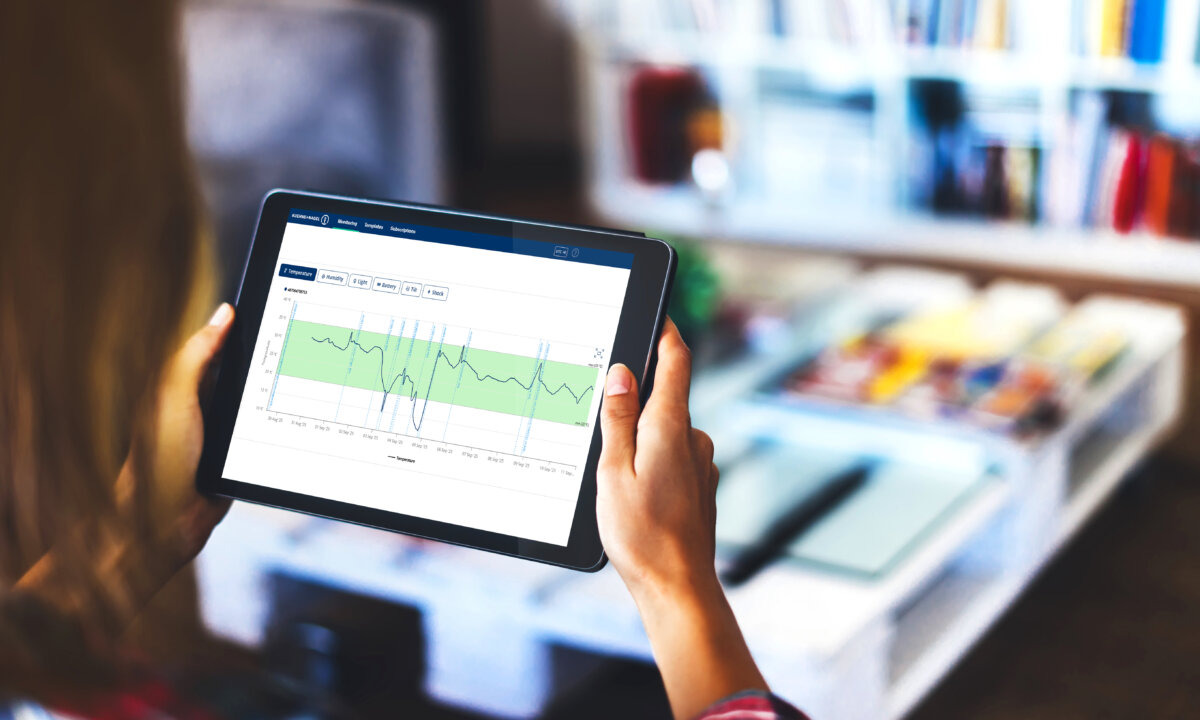
Smart labels add another layer of control. These sensor-enabled devices can be paper-thin and printable, combining traditional labelling with innovative all-in-one technology using Bluetooth low energy (BLE) and cellular chips. Once attached to a consignment, they automatically transmit critical data such as geo-location, temperature, humidity, light, shock, and tilt without requiring repeated scans or extra infrastructure.
Digital standard operating procedures guide staff through every step while sending instant updates to customers on the status of their cargo. This improves handling and keeps communication clear without extra manual work.

Together, these tools are building a smarter, more connected supply chain now and a proactive one for the future. How? As more data is collected across shipments, the focus will shift from reacting to problems to predicting and preventing them. Visibility will no longer be just about tracking; it will become the foundation for more intelligent planning, faster decision-making, and truly dynamic logistics.
Ready to unlock full shipment visibility? We’ve got the tools, the knowledge, and the expertise at Kuehne+Nagel. Reach out to a semiconductor logistics expert now.
¹ Source: Overhaul / Avnet, 2025: 2025 Supply Chain Insights — whatsnextmag.avnet.com