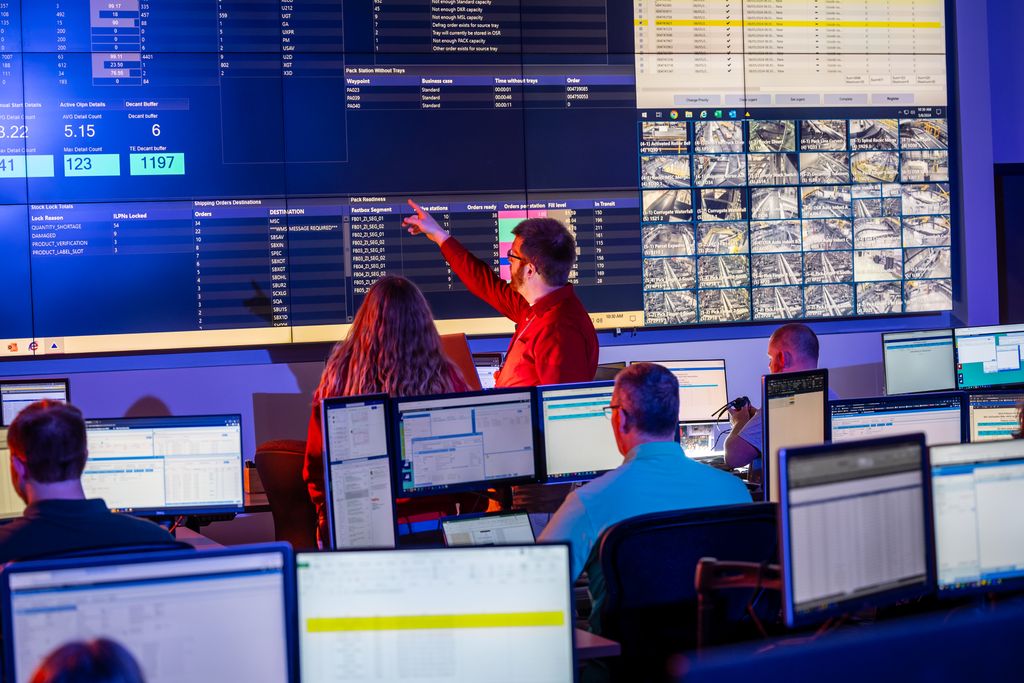
From predictive maintenance and quality inspection to supply chain optimization and robotics, AI has the potential to transform the factory of tomorrow. By helping manufacturers operate more efficiently, make smarter decisions and unlock new levels of productivity, modern manufacturing is positioned to benefit from many aspects of artificial intelligence.
AI is placing steep demands on data collection, connectivity, computing power and storage, which is putting pressure on manufacturers to invest in a new industrial infrastructure to support future facilities.
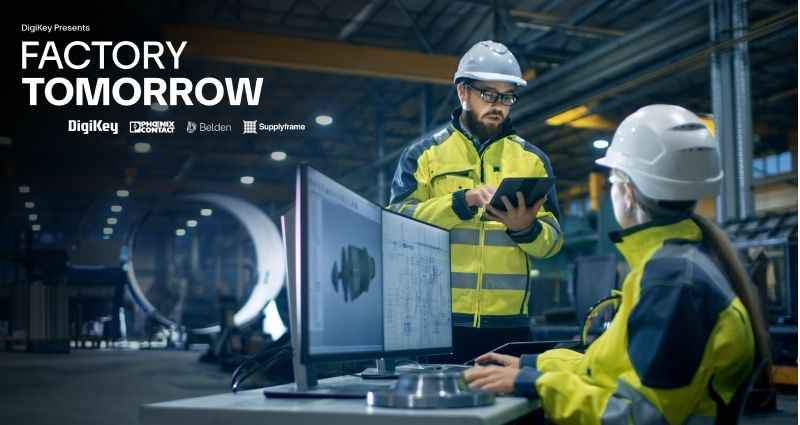
The factories of tomorrow will be built not only on intelligent applications, but on networks, data centers and digital ecosystems that enable them.
The era of interconnected systems
Manufacturers have consistently relied on data to ensure proper operation of equipment, sensors, control systems and production lines, but in many facilities, that information was isolated within the individual machines or departments, effectively limiting its value. With AI, this equation has changed.
Advanced analytics and machine learning models can uncover patterns, predict outcomes and identify optimization opportunities across operations. However, those insights are only as useful as the data available to them. As organizations adopt AI-driven technologies, the ability to capture, access and analyze data at scale becomes critical. An interconnected system working as one entity replaces previously siloed systems and creates environments where information can flow freely across the organization, elevating the importance of infrastructure. Every sensor, controller, network connection and storage platform now plays a role in enabling AI-powered decision-making.
AI doesn’t create value on its own. Its value shines through an interconnected system, both on-premises and in the cloud as data centers and AI are utilized.
Why data centers are becoming strategic assets
Manufacturing infrastructure typically brings images of production equipment, automation systems and industrial networks. In recent years, data centers are now becoming the norm and should be considered strategic assets to any manufacturing infrastructure.
As factories generate larger volumes of information, organizations need powerful systems that can process, store and analyze that data. While some applications require decisions to be made directly on the factory floor, others benefit from centralized resources that bring information together from across an entire operation, which is where data centers come into play.
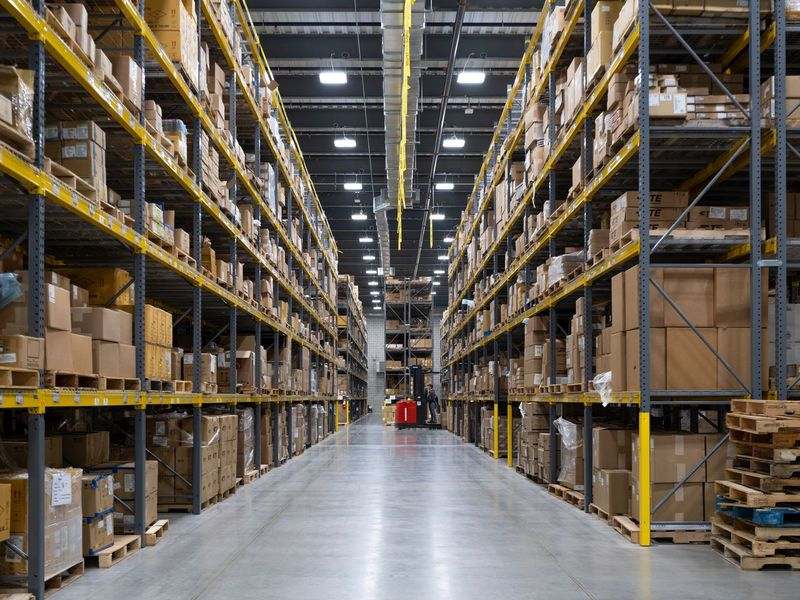
As centralized hubs for industrial intelligence, data centers support advanced analytics, digital twins, enterprise-wide visibility and AI workloads that wouldn’t be possible at the machine level alone. Manufacturers are also embracing a hybrid approach that combines both edge and centralized computing. Edge devices handle immediate decision-making, processing data close to equipment, enabling fast response times. Data centers provide the broader computational power needed to aggregate information across lines, facilities and global operations.
Together, they create the centralized backbone required to support AI-driven manufacturing.
AI is increasing demands for connectivity and computing power
One misconception I’ve seen is that AI is a software-only initiative. In reality, AI requires significant infrastructure investments. Manufacturers implementing AI solutions tend to see increased need for network bandwidth, more storage capacity, enhanced cybersecurity and additional computing resources. Often, modernizing legacy systems to ensure functionality across systems is necessary as well.

The rapid growth of AI workloads is accelerating investment in data centers, industrial networking technologies and high-performance computing environments. Computational power requires more energy, and more computation is needed at every level, so intelligent power monitoring requires power distribution, cooling systems and reliable connectivity are important components of long-term digital transformation strategies.
Manufacturers evaluating AI opportunities should prioritize infrastructure readiness as an essential part of the conversation. We know AI can improve operations, but the question becomes whether the necessary foundation exists to support AI at scale.
Meaningful AI outcomes require reliable data
A planned approach to implementing AI in manufacturing infrastructure is crucial. Moving too quickly without addressing foundational challenges can lead to difficulties and failed expectations. AI can only work with the information it receives. If data is incomplete, inconsistent or inaccurate, AI systems will generate unreliable recommendations and insights. Similarly, connectivity gaps, outdated equipment and fragmented architectures can limit the effectiveness of even the most sophisticated AI tools.
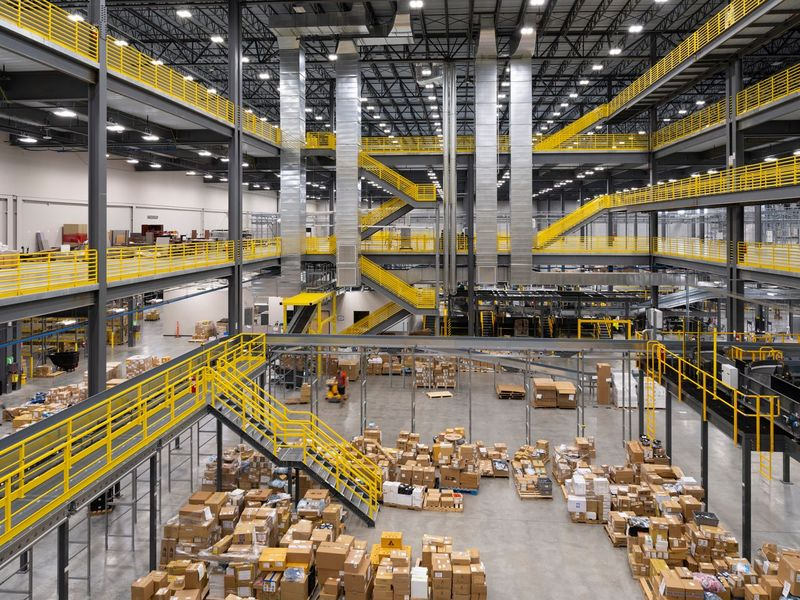
This highlights the fact that many AI challenges are not rooted in AI. They’re data and infrastructure challenges. As manufacturers establish reliable methods for collecting, validating and sharing information across operations, they build secure, resilient networks. Prioritizing interoperability between systems and employing strategies to ensure data remains accurate and useful over time is the recipe for success to let AI deliver its full potential.
Building the foundation for the factory of tomorrow
As manufacturers adapt AI applications, building long-term success will be determined not by who employs it faster, but by who builds the strongest foundation. Manufacturers creating lasting competitive advantages are investing in scalable networks, reliable data architectures, edge computing resources and AI-ready data center capabilities. Infrastructure needs to be a strategic differentiator, not just a supporting consideration.
As AI continues to reshape the industrial landscape, manufacturers have the opportunity to shape how information moves across their operations and how technology supports decision-making at every level. The pace of innovation is faster than ever and that can make it difficult for organizations to determine where to begin and which technology solutions will best suit their needs.
The factory of tomorrow will undoubtedly be powered by AI, but before AI can transform manufacturing, manufacturers must first build the infrastructure capable of supporting it. This is where trusted partners can play an important role. At DigiKey, we work closely with customers and suppliers across the industrial ecosystem, providing access to technologies that help enable digital transformation initiatives.
Because we support a broad range of manufacturers, engineers and designers, we have a unique view into the trends shaping the future of industrial automation, connectivity and intelligent infrastructure. It’s our goal to provide access to the technology needed to build scalable, future-ready operations.

From industrial connectivity and edge computing to power management and data center infrastructure, the path to AI adoption requires a broad ecosystem of technologies working together and we look forward to supporting the innovators who build it.Connor Doherty is the director of industrial automation at DigiKey. DigiKey is the global leader in electronic components and automation products distribution, providing more than 17.7 million components from 3,000 quality name-brand manufacturers.